
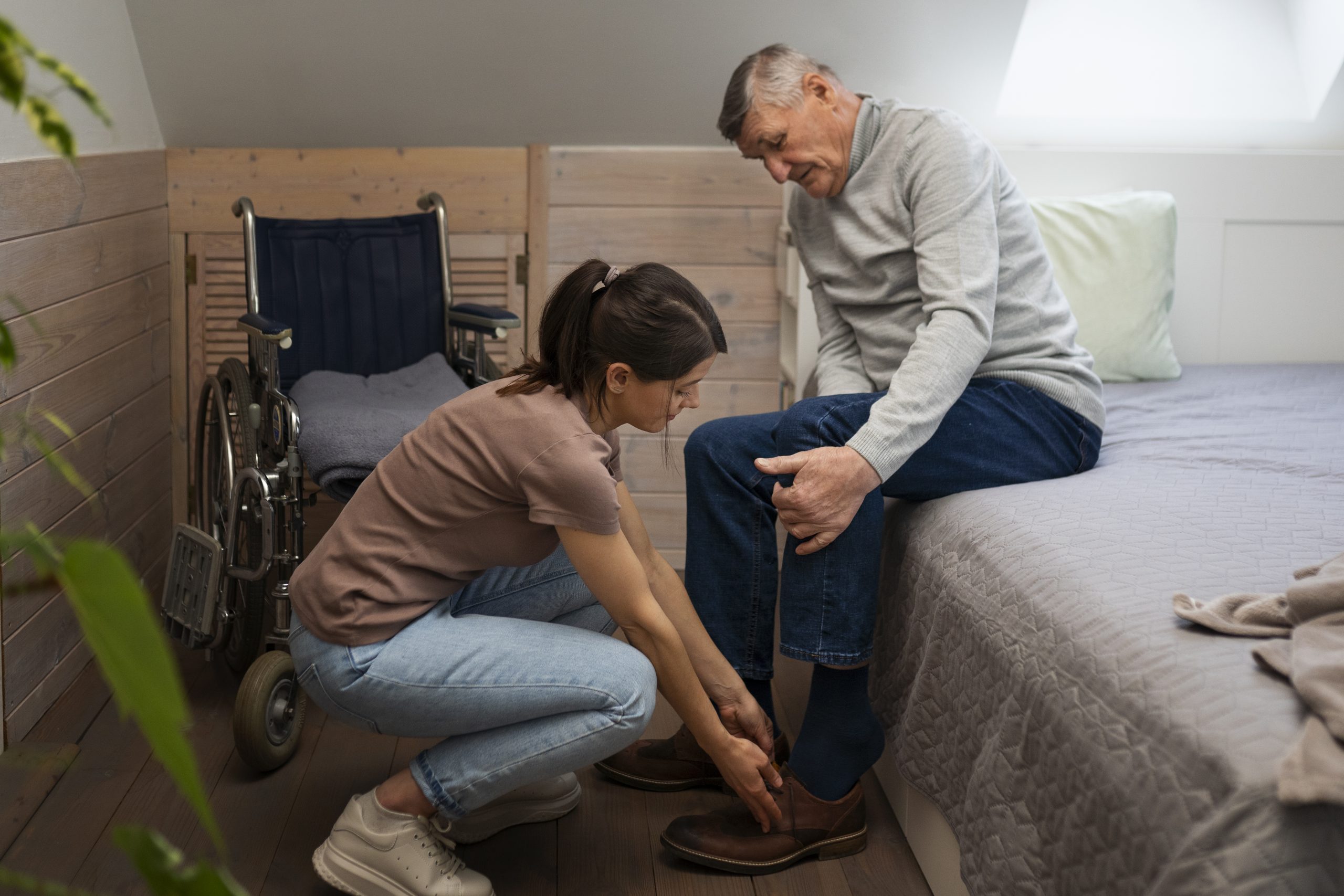
“To care for those who once cared for us is one of the highest honours”
As people age or manage long-term health conditions, maintaining a safe, comfortable, and independent lifestyle at home becomes increasingly challenging. Many families struggle to balance medical needs, emotional well-being, medication schedules, mobility concerns, and everyday routines, all while trying to ensure their loved ones enjoy a high quality of life. Traditional caregiving methods often rely on reactive care, where action is only taken after a health issue or an emergency occurs. This approach can lead to unnecessary stress, hospital visits, and declining wellness over time.
That's where modern data-driven wellness systems are changing the conversation. By combining real-time health monitoring, personalized care insights, and predictive technology, these systems help caregivers and healthcare professionals make smarter, faster, and more proactive decisions. Instead of simply responding to problems, data-driven care focuses on identifying patterns, improving daily habits, and supporting long-term wellness before serious issues develop.
Understanding Data-Driven Wellness Systems in Simple Terms
Data-driven wellness simply means collecting and using health-related information to better understand a person's daily condition and overall well-being. The goal is not to overwhelm people with complicated medical technology but to make everyday care safer, more organized, and more responsive.
These systems gather small pieces of information throughout the day and turn them into useful insights. This helps caregivers identify patterns, notice unusual behavior, and respond before a situation becomes serious.
Some common examples of daily wellness data include:
- Sleep patterns.
- Heart rate.
- Physical activity.
- Medication reminders.
- Nutrition habits.
- Fall detection.
How These Systems Work in Everyday Life?
Modern wellness systems combine smart technology with human caregiving support. Most systems are designed to work quietly in the background without disrupting normal daily routines.
Wearable devices such as smartwatches or health bands can monitor heart rate, movement, sleep quality, and activity levels. Smart home technology may include motion sensors, automated medication dispensers, and fall detection tools.
Mobile applications and caregiver dashboards organize this information into simple reports and alerts. Family members or caregivers can review updates remotely and receive notifications if something unusual occurs.
The Main Problems These Systems Help Solve
Delayed Medical Attention
One of the biggest challenges in home wellness management is recognizing symptoms early. Minor changes in behavior or physical condition can slowly develop into serious health complications when left unnoticed. Data-driven wellness systems help identify concerns earlier by continuously monitoring daily habits and health trends.
Lack of Personalized Care
Every individual has unique physical, emotional, and lifestyle needs. Standardized care routines may not always provide the support a person truly requires. Wellness data helps caregivers customize routines, schedules, nutrition plans, medication reminders, and activity levels based on personal habits and health conditions.
Family Stress and Caregiver Burnout
Families often feel constant anxiety when caring for aging parents or loved ones with health challenges. The fear of missing an emergency or important symptom can become emotionally exhausting. Automated wellness tracking reduces uncertainty by providing regular updates and alerts.
Safety Risks at Home
Falls, missed medications, dehydration, and social isolation are common concerns for individuals living independently at home. Smart monitoring systems can detect unusual inactivity, remind individuals to take medications, and alert caregivers during emergencies.
How Data-Driven Wellness Systems Improve Daily Quality of Life?
Encouraging Independence Without Sacrificing Safety
Many individuals prefer staying in their own homes rather than moving into assisted living facilities. Wellness systems make this more achievable by providing supportive monitoring without limiting independence. People can continue managing daily routines with greater confidence while families gain reassurance that safety measures are in place.
Creating More Consistent Daily Routines
Consistency plays a major role in both physical and mental wellness. Regular sleep schedules, medication adherence, hydration, and physical activity contribute to better long-term health outcomes. Wellness systems help reinforce these habits through reminders, activity tracking, and automated support tools.
Supporting Emotional and Mental Well-Being
Isolation and loneliness can negatively affect emotional health, especially among older adults living alone. Connected wellness systems help families and caregivers stay involved in everyday care without being physically present at all times.
Conclusion
Data-driven wellness systems are transforming the way people manage health and daily living at home. By combining smart technology with proactive caregiving, these systems help identify concerns earlier, improve communication, and support more personalized care experiences.
From encouraging independence and reducing caregiver stress to improving safety and routine consistency, wellness systems contribute directly to a better quality of life. As technology continues evolving, these tools are becoming more accessible, practical, and valuable for everyday households.
 Translate