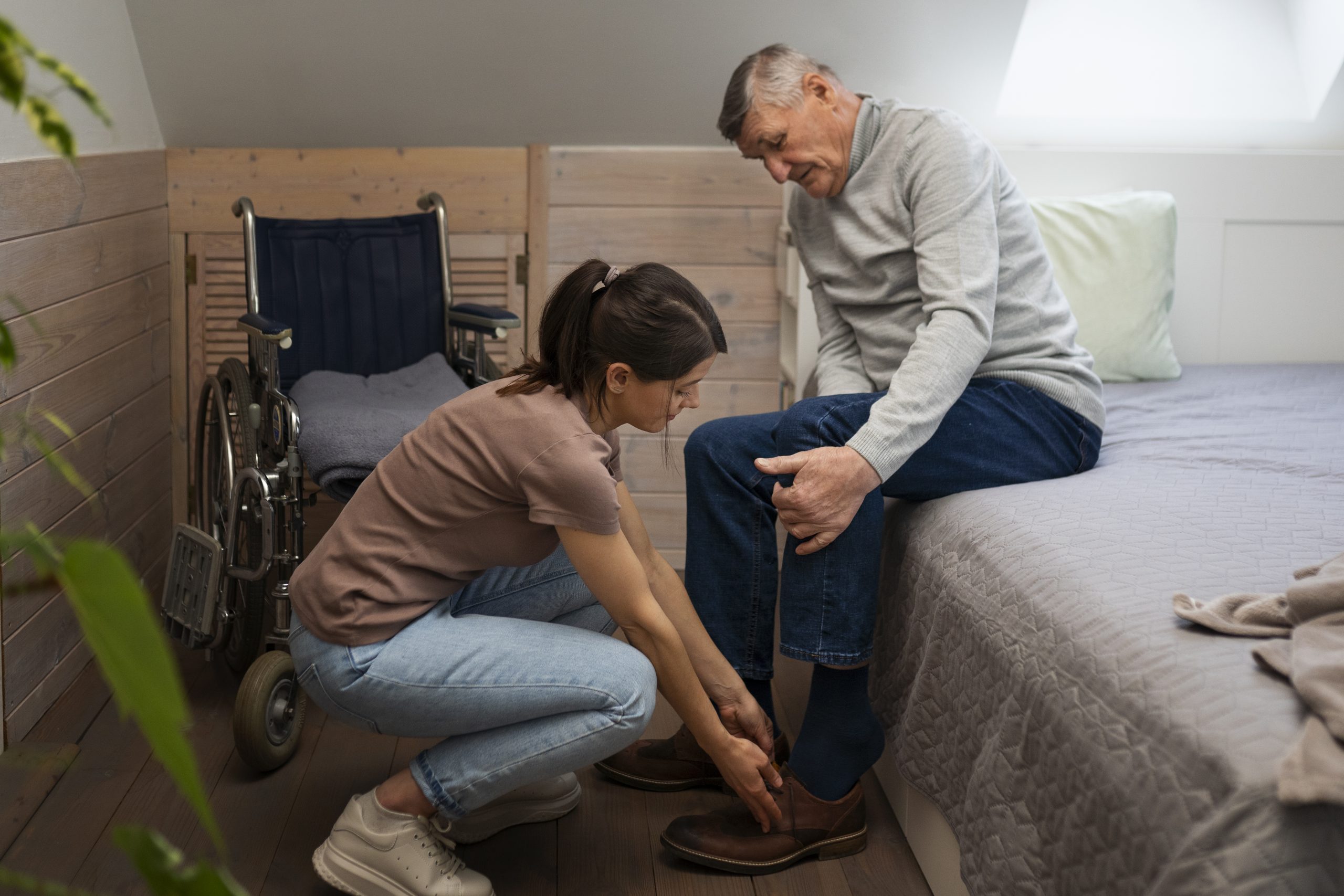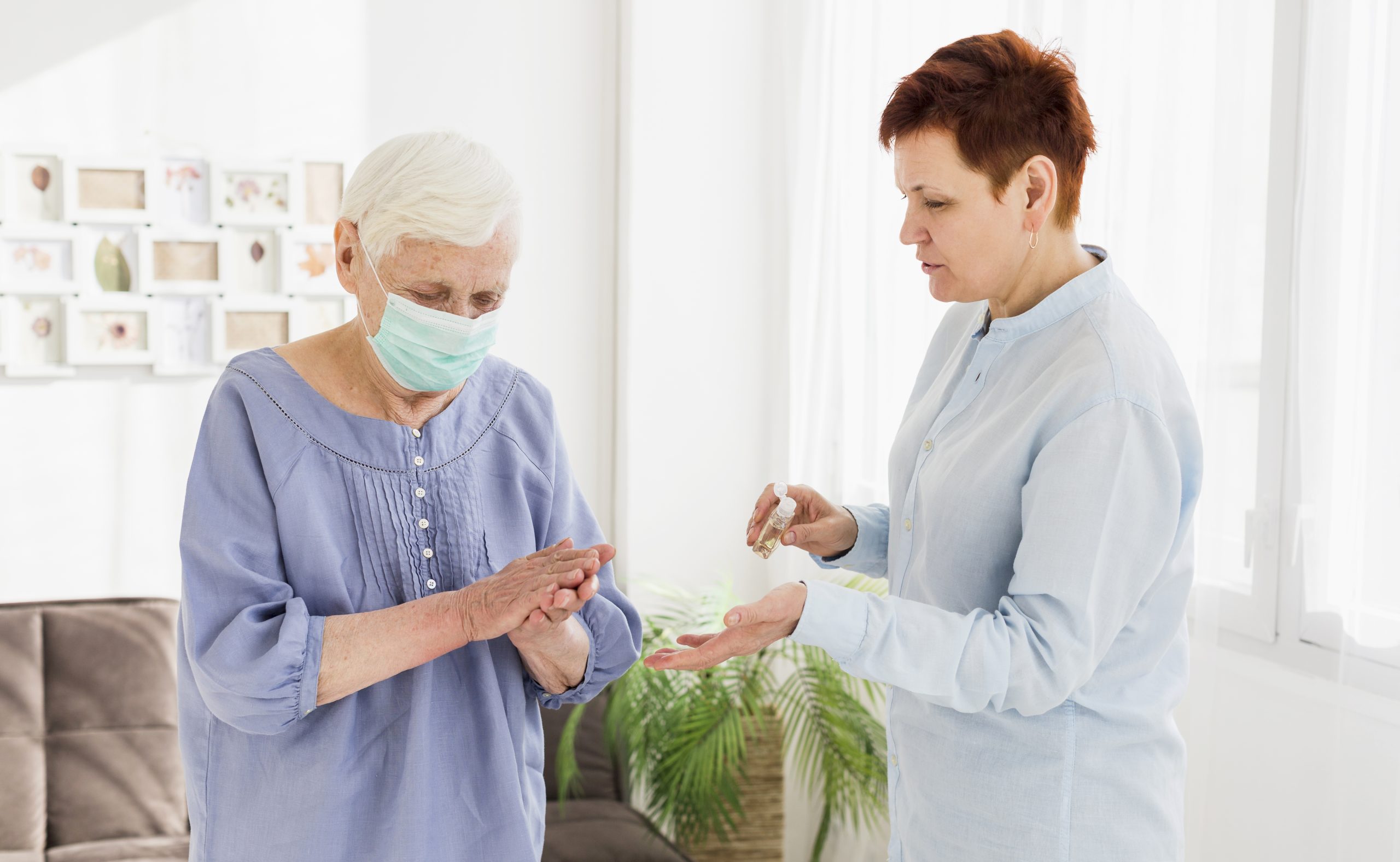
Caring for patients at home often comes with uncertainty, especially when caregivers must make decisions without clinical support. This uncertainty can lead to missed risks, delayed interventions, and preventable complications in everyday care. Home assessments provide a structured way to evaluate living conditions, identify hazards, and anticipate medical needs before problems escalate. They bridge the gap between clinical care and real-world environments, giving caregivers clearer guidance and reducing guesswork in care planning. By systematically assessing the home setting, healthcare professionals can improve safety, reduce medical risk, and increase caregiver confidence. Ultimately, home assessments support proactive care, ensuring patients receive safer, more coordinated, and more informed support at home settings overall. Here in this blog, you will read more about how home assessments improve safety and reduce caregiver stress overall. Keep reading.
Understanding Caregiver Uncertainty in Home Care
Caregivers often step into their role without formal medical training, yet they are expected to make important decisions quickly and confidently. This creates a constant sense of uncertainty.
Caregivers often face:
- Difficulty recognizing early warning signs of health deterioration.
- Limited knowledge of safe home care practices.
- Emotional pressure when making medical decisions alone.
- Lack of structured guidance from healthcare systems.
This uncertainty can directly affect patient safety and care quality. Small mistakes, like missing a symptom, mismanaging medication, or overlooking a fall risk, can escalate into serious medical issues. Over time, this pressure also leads to caregiver burnout, reducing the overall consistency of care.
What Is a Home Assessment and Why It Matter?
A home assessment is a structured evaluation of a patient’s living environment conducted by healthcare professionals. It focuses on identifying risks, evaluating accessibility, and understanding how the home environment affects care delivery.
Instead of focusing only on the patient’s medical condition, it looks at the real-world setting where care happens.
Key areas assessed include:
- Fall risks (slippery floors, poor lighting, clutter).
- Medication management systems.
- Mobility support and accessibility.
- Hygiene and infection control conditions.
- Caregiver support and workflow challenges.
By examining these factors, professionals can identify hidden risks that might otherwise go unnoticed in daily care routines.
How Home Assessments Reduce Medical Risk
Home assessments play a proactive role in preventing health complications rather than reacting to them after they occur.
They help by:
- Identifying hazards before accidents occur.
- Supporting early intervention strategies.
- Improving medication adherence and monitoring.
- Reducing hospital readmissions.
- Enhancing coordination between caregivers and clinicians.
For example, something as simple as repositioning furniture or improving lighting can significantly reduce fall risk. Similarly, organizing medication schedules can prevent missed or double doses. These small but critical adjustments make care safer and more predictable.
Supporting Caregivers with Clear Guidance
One of the most valuable outcomes of a home assessment is the clarity it provides to caregivers. Instead of relying on guesswork, they receive structured, professional guidance tailored to their specific environment.
This includes:
- Clear care instructions based on the home setup.
- Practical safety recommendations.
- Structured care plans that reduce guesswork.
- Increased confidence in daily caregiving decisions.
When caregivers understand exactly what to do and why it matters, their stress levels decrease significantly. This not only improves their well-being but also leads to more consistent and effective patient care.
The Role of Professional Home Assessments in Atlanta
In cities with growing aging populations, structured home evaluations are becoming increasingly important. Access to services like a free in-home assessment, home care Atlanta can help families better understand patient needs without an initial financial burden. In Atlanta, these assessments are especially valuable because many families are balancing work, distance caregiving, and chronic health conditions at the same time. A professional evaluation helps bridge the gap between medical recommendations and real-life home conditions. By identifying risks early, families can plan care more effectively, reduce emergencies, and create safer long-term living environments for their loved ones.
Improving Long-Term Patient Outcomes
When home assessments are properly integrated into care planning, they contribute to significantly better long-term outcomes.
Patients benefit from:
- Safer living environments.
- Fewer emergency incidents.
- Better chronic disease management.
- Improved independence at home.
- Higher overall quality of life.
Instead of reacting to health crises, care becomes preventive and structured. This shift is what ultimately improves both safety and comfort for patients receiving care at home.
Conclusion
Home assessments play a crucial role in bridging the gap between clinical care and real-world living conditions. By identifying risks early and giving caregivers clear, practical guidance, they reduce uncertainty and improve decision-making. In modern home care, especially in places like Atlanta, these evaluations are more than just a support service, they are a foundation for safer, more effective, and more confident caregiving.