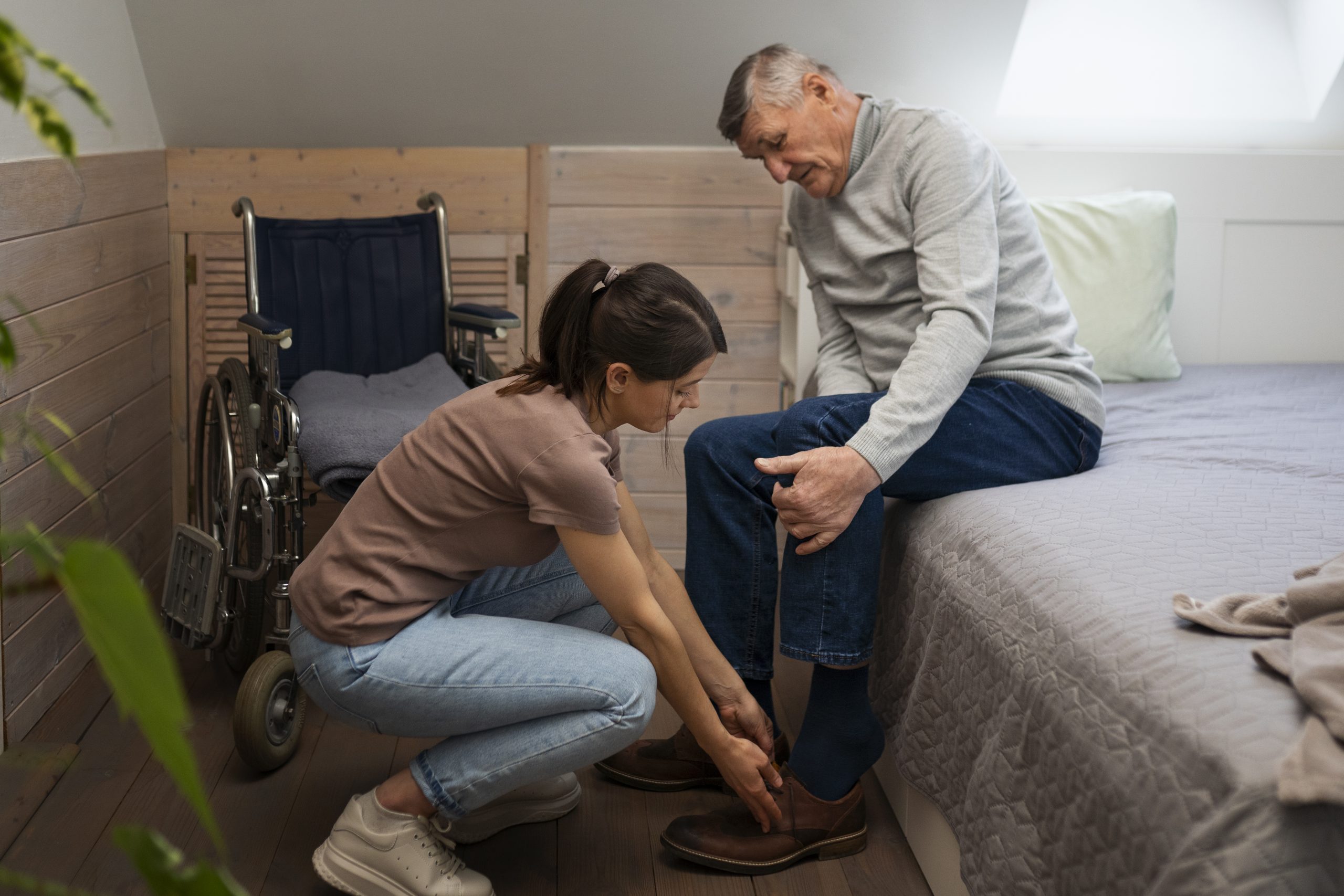
Caring for aging veterans at home comes with a set of challenges that often build up quietly over time. Many health concerns don’t appear as sudden emergencies; they start as small, easy-to-miss changes like disrupted sleep, reduced mobility, slower recovery after activity, or irregular medication habits. When these subtle signs go unnoticed, they can gradually develop into more serious medical conditions, leading to avoidable hospital visits and increased caregiver stress.
This is one of the key limitations of traditional at-home care models; they are often reactive rather than proactive. Care is typically provided after a problem becomes visible, rather than identifying early warning signals before the situation escalates. For families and caregivers, especially those supporting veterans with complex health histories, this gap can create uncertainty and emotional strain.
This is where predictive health monitoring is changing the approach to care delivery. By continuously analyzing everyday health patterns, such as movement, sleep quality, heart rate trends, and routine behavior, modern systems can identify risks early and help guide timely interventions. Instead of relying only on occasional check-ins or visible symptoms, caregivers get a clearer, data-backed understanding of a person’s well-being in real time. Keep reading.
What Is Predictive Health Monitoring?
Predictive health monitoring uses smart sensors, wearable devices, and AI-driven systems to continuously track a patient’s vital signs and daily patterns. Instead of reacting to problems after they occur, this approach identifies early warning signs by analyzing trends such as:
- Heart rate variability.
- Sleep disturbances.
- Blood pressure fluctuations.
- Activity level changes.
- Oxygen saturation trends.
This helps caregivers and healthcare providers intervene early and prevent deterioration.
In simple terms, it works like a “health early warning system,” constantly watching for small changes that could signal bigger problems ahead.
Why Traditional At-Home Care Is No Longer Enough?
Conventional caregiving methods rely heavily on human observation, which has clear limitations:
- Caregivers cannot monitor patients 24/7.
- Subtle health changes are often missed.
- Emergency situations are often unexpected.
- Data is not consistently recorded for long-term analysis.
Even the most experienced caregivers depend on visible symptoms or patient feedback. But many health issues, like cardiovascular strain or oxygen decline, can develop silently before showing obvious signs. This gap between observation and real-time health status is where predictive systems offer a major improvement. They don’t replace caregivers; they enhance their ability to make timely, informed decisions.
How Predictive Monitoring Works in Real Life?
Predictive systems combine healthcare knowledge with advanced technology to create a continuous care loop.
Continuous Data Collection
Wearable devices, smart beds, or home monitoring tools gather real-time health data such as pulse rate, movement, breathing patterns, and sleep quality. This happens passively, without requiring constant manual input.
AI-Based Pattern Recognition
Once data is collected, AI algorithms analyze it against historical patterns. Instead of looking at one reading in isolation, the system studies trends over time to detect unusual behavior or early signs of decline.
Early Alerts and Notifications
When something seems off, such as irregular heartbeat patterns or reduced mobility, the system sends alerts to caregivers or healthcare providers. This allows them to check in before the condition worsens.
Preventive Action Planning
Doctors and care teams can then adjust treatment plans, recommend lifestyle changes, or intervene medically at an early stage. This prevents escalation rather than responding after an emergency occurs. Together, these steps create a shift from reactive care to proactive health management.
Key Benefits for Patients and Caregivers
Predictive monitoring significantly improves at-home care in practical, meaningful ways:
- Early detection of health risks before they become emergencies.
- Reduced hospital admissions through timely intervention.
- Improved patient independence and confidence at home.
- Lower long-term healthcare costs due to prevention-focused care.
- Better communication between caregivers and medical professionals through consistent data sharing.
For caregivers, it reduces uncertainty. Instead of guessing whether a patient is “doing okay,” they can rely on continuous health insights. For patients, it offers reassurance that their health is being monitored even when no one is physically present.
Role in Modern Elderly and Specialized Care
Predictive systems are especially valuable in elderly care and for individuals with chronic illnesses such as heart disease, diabetes, or respiratory conditions.
They can help detect:
- Fall risks, by tracking changes in movement patterns or balance stability.
- Heart-related issues, such as irregular heart rate or rhythm trends.
- Early cognitive decline indicators, based on behavioral or activity changes.
This makes care far more personalized. Instead of applying a one-size-fits-all approach, caregivers can respond to each patient’s unique health patterns.
In fact, in many urban healthcare ecosystems, advanced models like veteran home care services in Atlanta are increasingly integrating predictive monitoring to improve patient safety and reduce emergency interventions. This integration helps ensure that individuals receiving specialized care benefit from both human compassion and data-driven precision.
Challenges and Considerations
While predictive health monitoring is powerful, it is not without challenges:
- Data privacy and security concerns, since sensitive health information is continuously collected.
- Device accuracy and calibration issues, which can affect reliability if not properly maintained.
- Learning curve for caregivers and families, especially when adopting new digital tools.
- Initial setup costs, which may be higher than traditional care methods.
However, these challenges are gradually being addressed. Devices are becoming more affordable, AI models are improving in accuracy, and healthcare systems are placing stronger emphasis on data protection standards. As adoption increases, these barriers are expected to reduce significantly.
The Future of At-Home Care Models
The future of home healthcare is clearly moving toward fully connected, intelligent care environments.
In this future model:
- Health data is continuously monitored in real time.
- AI systems predict risks before symptoms appear.
- Care teams receive instant, actionable insights.
- Patients experience greater safety and independence at home.
This doesn’t mean replacing human caregivers. Instead, it means giving them better tools to make faster, more accurate decisions.
Predictive monitoring is becoming less of a luxury and more of a foundational layer in modern home healthcare systems.
Conclusion
At-home care is undergoing a major transformation, from reactive support to proactive prevention. Instead of waiting for health problems to appear, predictive health monitoring allows caregivers and medical professionals to anticipate issues early and respond before they become serious.
By combining real-time data, intelligent analysis, and timely intervention, this approach significantly improves patient safety, reduces emergencies, and enhances overall quality of life.
As healthcare continues to evolve, predictive systems will not just be an advanced option, they will become an expected standard in effective home care delivery.