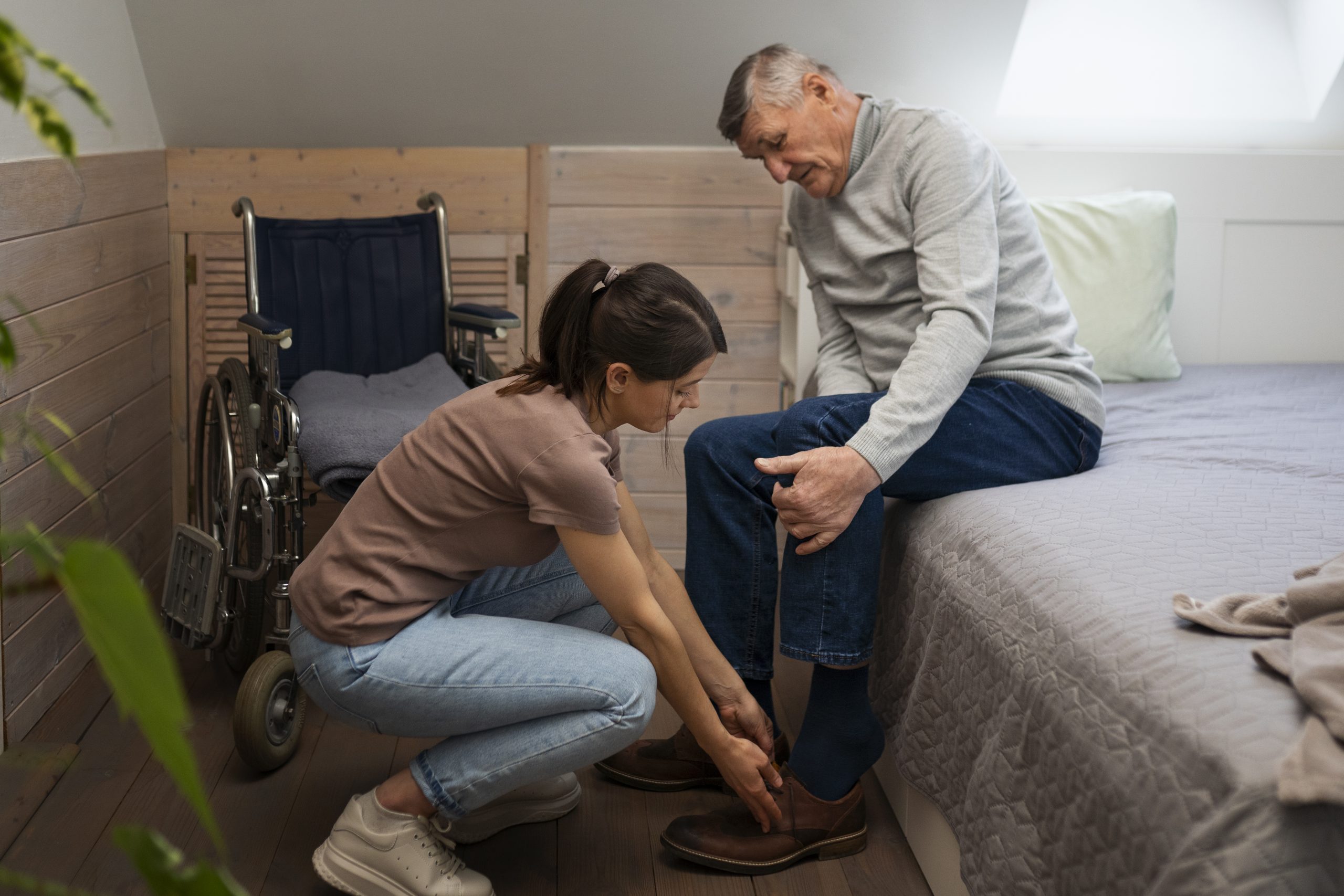
As people age or manage long-term health conditions, maintaining a safe, comfortable, and independent lifestyle at home becomes increasingly challenging. Many families struggle to balance medical needs, emotional well-being, medication schedules, mobility concerns, and everyday routines, all while trying to ensure their loved ones enjoy a high quality of life. Traditional caregiving methods often rely on reactive care, where action is only taken after a health issue or an emergency occurs. This approach can lead to unnecessary stress, hospital visits, and declining wellness over time.
That’s where modern data-driven wellness systems are changing the conversation. By combining real-time health monitoring, personalized care insights, and predictive technology, these systems help caregivers and healthcare professionals make smarter, faster, and more proactive decisions. Instead of simply responding to problems, data-driven care focuses on identifying patterns, improving daily habits, and supporting long-term wellness before serious issues develop.
For families seeking reliable and compassionate personal home care services in Georgia, this technology-driven approach offers more than convenience; it creates a safer and more empowering living environment. Here in this blog, you will read about how smart wellness systems improve everyday home care. Keep reading.
Understanding Data-Driven Wellness Systems in Simple Terms
Data-driven wellness simply means collecting and using health-related information to better understand a person’s daily condition and overall well-being. The goal is not to overwhelm people with complicated medical technology but to make everyday care safer, more organized, and more responsive.
These systems gather small pieces of information throughout the day and turn them into useful insights. This helps caregivers identify patterns, notice unusual behavior, and respond before a situation becomes serious.
Some common examples of daily wellness data include:
- Sleep patterns.
- Heart rate.
- Physical activity.
- Medication reminders.
- Nutrition habits..
- Fall detection.
By tracking these factors consistently, wellness systems create a clearer picture of an individual’s health and lifestyle over time.
How These Systems Work in Everyday Life?
Modern wellness systems combine smart technology with human caregiving support. Most systems are designed to work quietly in the background without disrupting normal daily routines.
Wearable devices such as smartwatches or health bands can monitor heart rate, movement, sleep quality, and activity levels. Smart home technology may include motion sensors, automated medication dispensers, and fall detection tools.
Mobile applications and caregiver dashboards organize this information into simple reports and alerts. Family members or caregivers can review updates remotely and receive notifications if something unusual occurs. For example, if an older adult suddenly becomes less active, misses medications, or experiences disrupted sleep patterns, the system can notify caregivers immediately. Real-time monitoring helps transform raw health data into actionable insights that support faster and more informed decisions.
The Main Problems These Systems Help Solve
Delayed Medical Attention
One of the biggest challenges in home wellness management is recognizing symptoms early. Minor changes in behavior or physical condition can slowly develop into serious health complications when left unnoticed.
Data-driven wellness systems help identify concerns earlier by continuously monitoring daily habits and health trends. Early detection allows caregivers and healthcare providers to take proactive steps before problems worsen.
Lack of Personalized Care
Every individual has unique physical, emotional, and lifestyle needs. Standardized care routines may not always provide the support a person truly requires.
Wellness data helps caregivers customize routines, schedules, nutrition plans, medication reminders, and activity levels based on personal habits and health conditions. This creates a more tailored care experience that feels supportive rather than restrictive.
Family Stress and Caregiver Burnout
Families often feel constant anxiety when caring for aging parents or loved ones with health challenges. The fear of missing an emergency or important symptom can become emotionally exhausting.
Automated wellness tracking reduces uncertainty by providing regular updates and alerts. Caregivers no longer need to rely entirely on guesswork or frequent check-in calls. This creates greater peace of mind and lowers emotional pressure.
Safety Risks at Home
Falls, missed medications, dehydration, and social isolation are common concerns for individuals living independently at home. Smart monitoring systems can detect unusual inactivity, remind individuals to take medications, and alert caregivers during emergencies. These tools help reduce avoidable accidents while supporting safer independent living.
How Data-Driven Wellness Systems Improve Daily Quality of Life?
Encouraging Independence Without Sacrificing Safety
Many individuals prefer staying in their own homes rather than moving into assisted living facilities. Wellness systems make this more achievable by providing supportive monitoring without limiting independence.
People can continue managing daily routines with greater confidence while families gain reassurance that safety measures are in place. This balance helps preserve dignity, comfort, and self-esteem.
Creating More Consistent Daily Routines
Consistency plays a major role in both physical and mental wellness. Regular sleep schedules, medication adherence, hydration, and physical activity contribute to better long-term health outcomes.
Wellness systems help reinforce these habits through reminders, activity tracking, and automated support tools. Over time, consistent routines can improve energy levels, mood stability, and overall well-being.
Supporting Emotional and Mental Well-Being
Isolation and loneliness can negatively affect emotional health, especially among older adults living alone.
Connected wellness systems help families and caregivers stay involved in everyday care without being physically present at all times. Regular communication, wellness updates, and engagement tools can help individuals feel more supported and connected.
Improving Communication Between Families and Care Providers
Care coordination becomes easier when everyone has access to the same wellness information. Shared reports and real-time updates improve communication between family members, caregivers, and healthcare professionals. Faster access to information also allows quicker decision-making during health concerns, reducing confusion and delays in care.
The Role of Predictive Analytics in Preventive Care
What Is Predictive Health Monitoring?
Predictive health monitoring uses collected wellness data to identify patterns that may signal future health problems. Instead of waiting for visible symptoms or emergencies, these systems look for subtle changes over time. This approach helps caregivers respond earlier and more effectively.
Examples of Preventive Insights
Predictive analytics can help identify concerns such as:
- Unusual movement patterns.
- Changes in appetite or hydration.
- Sleep disruptions.
- Increased inactivity.
- Early signs of cognitive decline.
Even small behavioral changes can provide valuable clues about a person’s overall health condition.
Why Prevention Matters More Than Emergency Response
Preventive care focuses on avoiding health complications before they become severe. This approach can significantly reduce hospital visits, medical expenses, and emotional stress.
More importantly, prevention supports greater comfort, stability, and long-term independence for individuals receiving care at home.
Technology Behind Modern Wellness Systems
Smart Devices Used in Home Wellness Monitoring
Several technologies work together to support modern wellness systems, including:
- Wearables.
- Motion sensors.
- Smart medication dispensers.
- Remote health tracking tools.
These devices continuously collect information while remaining simple and user-friendly for everyday use.
Artificial Intelligence and Health Data
Artificial intelligence helps analyze large amounts of wellness data quickly and accurately. AI can identify trends, automate alerts, and recognize unusual changes that may require attention.
Importantly, these technologies are designed to support caregivers, not replace human interaction or compassion.
Privacy and Data Security Concerns
Because wellness systems handle sensitive health information, secure data management is essential. Reliable systems use encryption, secure cloud storage, and controlled access to protect personal information. Building trust through transparent privacy practices is critical for both families and care recipients.
Choosing the Right Wellness-Focused Care Approach
What Families Should Look For
When evaluating wellness-focused care services, families should consider:
- Personalized care planning.
- Technology integration.
- Qualified caregivers.
- Transparent communication.
A strong care provider should combine modern technology with compassionate human support.
Questions to Ask Before Selecting a Care Provider
Before choosing a provider, families may want to ask:
- How is wellness data monitored?
- What emergency response procedures are in place?
- Can care plans be customized?
- How are families updated about health changes?
These questions help ensure the care approach aligns with the individual’s specific needs and lifestyle.
Balancing Technology with Human Compassion
Technology is most effective when it strengthens human caregiving rather than replacing it.
Wellness systems can improve efficiency and awareness, but emotional support, empathy, and personal relationships remain essential parts of quality care. The most successful care models combine advanced monitoring tools with meaningful human interaction.
The Future of Home Care and Wellness Management
Growing Demand for Smarter Home Care Solutions
As populations age and healthcare needs continue to grow, more families are looking for practical ways to support long-term wellness at home. There is also a growing shift toward preventive and personalized care models that prioritize daily quality of life rather than only treating medical emergencies.
How Wellness Systems Will Continue to Evolve
Future wellness systems will likely include:
- More advanced predictive monitoring.
- Better integration with healthcare providers.
- Improved accessibility for everyday households.
- Faster and more accurate health insights.
These innovations will continue making home-based wellness care more effective and easier to manage. Many providers offering personal home care services in Georgia are already adapting to these technologies to improve patient experiences, increase safety, and deliver more personalized support for families.
Conclusion
Data-driven wellness systems are transforming the way people manage health and daily living at home. By combining smart technology with proactive caregiving, these systems help identify concerns earlier, improve communication, and support more personalized care experiences.
From encouraging independence and reducing caregiver stress to improving safety and routine consistency, wellness systems contribute directly to a better quality of life.
As technology continues evolving, these tools are becoming more accessible, practical, and valuable for everyday households. Families exploring personal home care services in Georgia are increasingly recognizing that modern wellness technology is not something overly technical or intimidating. Instead, it is a practical solution that helps people live more comfortably, safely, and confidently every day.